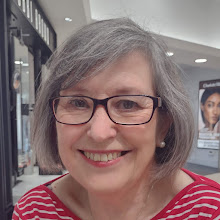
I have posted often about the Gressenhall Farm and Workhouse, a few miles up the road. It is owned by Norfolk Museums service. Built in 1777, next year is the 250th Anniversary.
In 1946, 80 years ago, what had been the Workhouse was turned into an Old People's Care Home, called Beech House [for the large tree at the front of the premises] It remained a home until 1975. when it was closed, and became part of the museum service.


We would talk with them, and say a prayer before we left. Sometimes young people from our church went and sang hymns [and carols at Christmas] Rachel was really interested, and so in August I went to be interviewed about this, and Gabby Meadows recorded our conversation. I was the first recording she'd made. I gave my permission for the recording to be used as and when needed. G thought there would probably be an audio section as part of the displays.
Then on Saturday morning, I was reading the BBC news website, and in the Norfolk section there was an article. It mentioned me, and the fact that I'd said residents were unhappy being sent to live in "The Workhouse". They were the generation who were told "Be a good child or you will end up in there" - and they lived through 2 world wars, and now were sent here in their old age. It was hard to convince them that this was not a punishment!
I'm on the BBC News Website!! I shouted to Bob
Then yesterday at Church, Barbara said she had heard me speaking on the Radio. BBC Radio Norfolk had interviewed Rachel, and two clips from recordings had been played. At the end, the two people were named and thanked - and one of them was Angela Almond!! Barbara said she remembered me mentioning the interview back in the summer. I have tried to find it, unsuccessfully on BBC sounds.
I will wait to see if anybody else messages me about it.